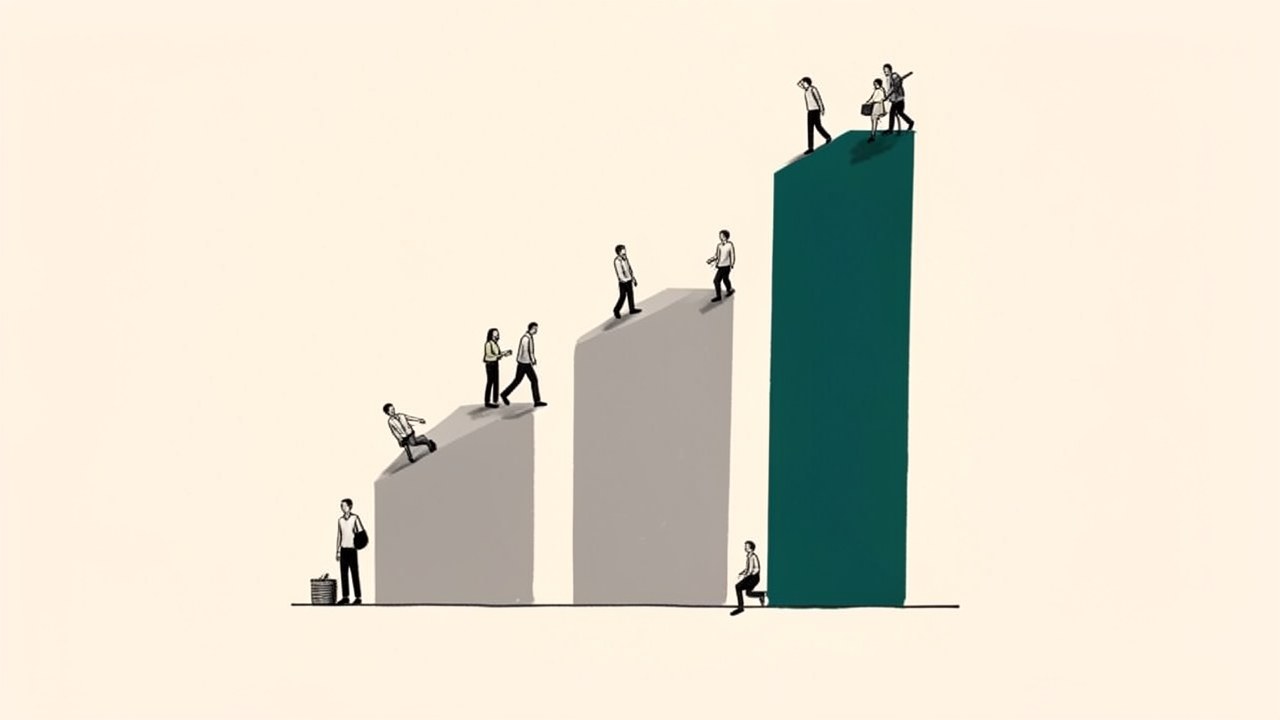
Why Credit Score Matters for Loan Approval
When you apply for a personal loan or a private student loan, lenders review your credit history to assess how likely you are to repay the money. Your credit score is a numerical summary of that history, and it directly influences whether you're approved, how much you can borrow, and what interest rate you'll be offered.
For federal student loans, the situation is different. Most federal loans do not require a credit check at all, meaning your credit score has no impact on your ability to get a Direct Subsidized or Unsubsidized Loan. However, federal PLUS loans do involve a credit review for adverse history.
Payment history is the most important factor in your credit score. A single late payment can cause your score to drop significantly—by around 100 points—and negative information can stay on your credit report for up to seven years. Keeping a record of on-time payments is one of the best ways to protect and improve your credit.
- Federal Direct Loans (Subsidized and Unsubsidized): No credit check required.
- Federal PLUS Loans: Credit check and review for adverse credit history.
- Private student loans: Credit-based, almost always require a credit check.
- Personal loans: Credit-based, require a credit check.
Sources: TheCreditReview, Broadview Federal Credit Union, University of Illinois System, LendEDU, CU Student Choice
Credit Requirements for Personal Loans
Personal loans are offered by banks, credit unions, and online lenders. Virtually all personal loans require a credit check, but the specific credit score needed varies by lender. Higher scores generally make approval easier and unlock lower interest rates.
Lenders consider your credit score along with other factors like income, employment history, and existing debt. While some lenders offer loans to borrowers with lower scores, these typically come with higher interest rates and less favorable terms.
Information about exact minimum credit scores for personal loans is limited, but the rate you're offered depends heavily on your creditworthiness. The typical interest rate on a personal loan ranges from 8% to 15% or more, depending on your credit profile.
- Most personal loans require a credit check.
- Credit score requirements vary by lender; higher scores secure better rates.
- Typical personal loan rates: 8%–15%+ based on credit.
- Payment history is a key factor in approval decisions.
Sources: TheCreditReview, Rate.com, Broadview Federal Credit Union
Credit Requirements for Student Loans
Student loans fall into two main categories: federal and private. Federal student loans are funded by the government, and most do not require a credit check. Direct Subsidized and Unsubsidized Loans are available regardless of your credit history, and they offer fixed interest rates set by Congress—for the 2026–27 academic year, the rate is 6.52% for undergraduate Direct Loans.
Private student loans, on the other hand, are made by banks, credit unions, and other lenders. These loans are credit-based and require a credit check. Lenders typically look for a credit score of at least 650, and many prefer 680 or higher, to approve a borrower without a cosigner. Higher scores generally qualify for lower interest rates, and a score of 760 or above is often needed to get the best advertised rates.
Because many traditional-age college students have limited credit history, private lenders often encourage or require a cosigner. A cosigner with a strong credit profile can help you qualify and may lower your interest rate. Federal PLUS loans also require a credit check for adverse history, but they do not have a minimum credit score requirement—instead, they focus on whether you have certain negative marks like bankruptcy or foreclosure.
- Federal Direct Loans: No credit check or minimum credit score.
- Federal PLUS Loans: Credit check for adverse history, no minimum score.
- Private student loans: Credit check required; minimum score often 650–680+.
- Higher credit scores result in lower private loan rates.
- Cosigners can help borrowers with limited or lower credit histories.
- Multiple private student loan inquiries within a short period are treated as a single inquiry by scoring models.
Sources: University of Illinois System, LendEDU, CU Student Choice, Broadview Federal Credit Union
How Credit Scores Affect Loan Rates
Your credit score doesn't just affect whether you'll be approved—it also affects the interest rate you pay. For private student loans and personal loans, a higher credit score typically means a lower rate. The difference of a few percentage points can amount to thousands of dollars in total interest over the life of the loan.
For example, on a $30,000 private student loan with a 10-year term, the difference between a 5.5% interest rate (often achievable with a cosigner) and an 8.5% rate (solo application with lower credit) is several thousand dollars in interest payments. This illustrates how important your credit score—or your cosigner's—can be.
Federal student loans do not use credit scores to set interest rates. The rate is fixed by Congress each year and is the same for all borrowers, regardless of credit history. This makes federal loans a more predictable option for students who may not have a strong credit profile.
For personal loans, rates are variable and depend heavily on your credit. The typical range is 8% to 15% or more. Those with excellent credit may find rates at the lower end, while borrowers with lower scores may face rates at the top of the range or higher.
- Higher credit scores → lower interest rates on private student loans and personal loans.
- Federal student loan rates are fixed and not credit-based.
- Personal loan rates range from 8% to 15%+ based on credit.
Sources: CU Student Choice, Broadview Federal Credit Union, LendEDU
Improving Your Credit Score
If your credit score needs work before you apply for a loan, there are steps you can take. Payment history is the most important factor in your score, so making all payments on time is essential. A single late payment can cause a significant drop, and negative marks remain for years.
Your credit utilization ratio—the amount of revolving credit you use compared to your limits—also matters. Keeping your utilization below 30% is generally beneficial, and staying below 10% can further improve your score. This means paying down credit card balances and avoiding maxing out cards.
Other factors like length of credit history, new credit inquiries, and the mix of credit types also play a role, but payment history and utilization are within your control and have the most impact. For students who are new to credit, building a history of on-time payments—whether on a credit card, student loan, or other account—is the foundation of a good score.
- Make all payments on time; payment history is the most important factor.
- Keep credit utilization below 30%, ideally below 10%.
- A single late payment can drop a score by about 100 points and stay on your report for up to 7 years.
Sources: TheCreditReview, CU Student Choice, Broadview Federal Credit Union
Alternatives for Bad Credit
If your credit score is low or you have no credit history, you still have options. Federal student loans are the primary alternative for education financing because they don't require a credit check or a minimum credit score. They also offer borrower protections like income-driven repayment, deferment, and forgiveness programs that private loans generally don't have.
For personal loans, credit requirements vary by lender, and having a lower score can limit your options and lead to higher rates. For private student loans, a cosigner with good credit can help you qualify and may result in a lower interest rate.
Building your credit through consistent on-time payments can improve your chances of approval in the future, whether you're applying for a personal loan or a private student loan on your own.
- Federal student loans: No credit check, no minimum score, and protections like income-driven repayment.
- Private student loans: A cosigner can help you qualify and may lead to lower rates.
- Personal loans: Credit requirements vary by lender; higher scores generally improve approval odds.
Sources: University of Illinois System, Broadview Federal Credit Union, CU Student Choice, LendEDU
Comparing Loan Types at a Glance
To help you understand the key differences, here's a comparison of federal student loans, private student loans, and personal loans based on credit requirements, interest rates, and other factors.
Note that credit score ranges are approximate and vary by lender, and interest rates are subject to change. Always check with individual lenders for current terms.
| Attribute | Federal Student Loans | Private Student Loans | Personal Loans |
|---|---|---|---|
| Credit check required | No (except PLUS loans) | Yes | Yes |
| Credit score requirement | None for Direct Subsidized/Unsubsidized | Typically 650 or higher, often 680+ | Varies by lender; higher scores get better rates |
| Typical interest rate | 5%–8% (federal); 6.52% for 2026-27 | Varies; often 5%–12%+ based on credit | 8%–15% or more, depending on credit |
| Repayment start | After graduation (or leaving school) | Often in-school deferment available, but may begin immediately | Typically within 30 days |
| Borrower protections | Income-driven repayment, deferment, forbearance, forgiveness | Limited; no income-driven repayment or forgiveness | No forgiveness options; fewer protections |
| Credit impact | Reports to credit bureaus; on-time payments build credit | Reports to credit bureaus; on-time payments build credit | Reports to credit bureaus; on-time payments build credit |
Sources: University of Illinois System, Broadview Federal Credit Union, LendEDU, CU Student Choice, TheCreditReview, Rate.com
Frequently asked questions
What is the minimum credit score for a personal loan?
There is no single minimum credit score for a personal loan because requirements vary by lender. Lenders evaluate your credit history, income, and other factors, and a higher score typically leads to better approval odds and lower interest rates. Some lenders offer loans to people with lower scores, but these often come with higher rates. While the exact cutoff isn't standardized, improving your credit score can increase your chances of approval.
Sources: TheCreditReview, Rate.com, Broadview Federal Credit UnionDo student loans require a credit check?
Federal Direct Subsidized and Unsubsidized Loans do not require a credit check or a minimum credit score. Federal PLUS loans do require a credit check and a review for adverse credit history, but they don't have a numeric score requirement. Private student loans always require a credit check, and lenders typically look for a credit score of at least 650, with many preferring 680 or higher, unless a cosigner is used.
Sources: University of Illinois System, LendEDU, CU Student ChoiceCan I get a loan with no credit history?
Yes, you can get a federal student loan without any credit history because most federal loans don't require a credit check. For private student loans or personal loans, having no credit history can make approval harder, but you may qualify with a cosigner who has good credit. A cosigner can help you get approved and may also give you a lower interest rate. Building your credit by making small, on-time payments can also help you qualify on your own in the future.
Sources: CU Student Choice, LendEDU, University of Illinois SystemSources
- Comparing Private Student Loans - University of Illinois System — University of Illinois System
- Personal Loans vs Student Loans: 2026 Comparison Guide — Broadview Federal Credit Union
- How Your Credit Score Affects Your Student Loan — CU Student Choice
- How Your Credit Score Shapes Your Student Loan Options (And 5 Things to Do Before You Apply) — CU Student Choice
- Credit Score and Personal Loan Approval | TheCreditReview — TheCreditReview
- What are the requirements for a credit score on a personal loan? — Rate.com
- Private Student Loan Credit Score Requirements (2026 Guide) — LendEDU